English
  français
  Deutsch
  русский
  español
  português
  العربية
  Melayu
  ไทย
ไทย  Indonesia
  हिंदी
हिंदी 


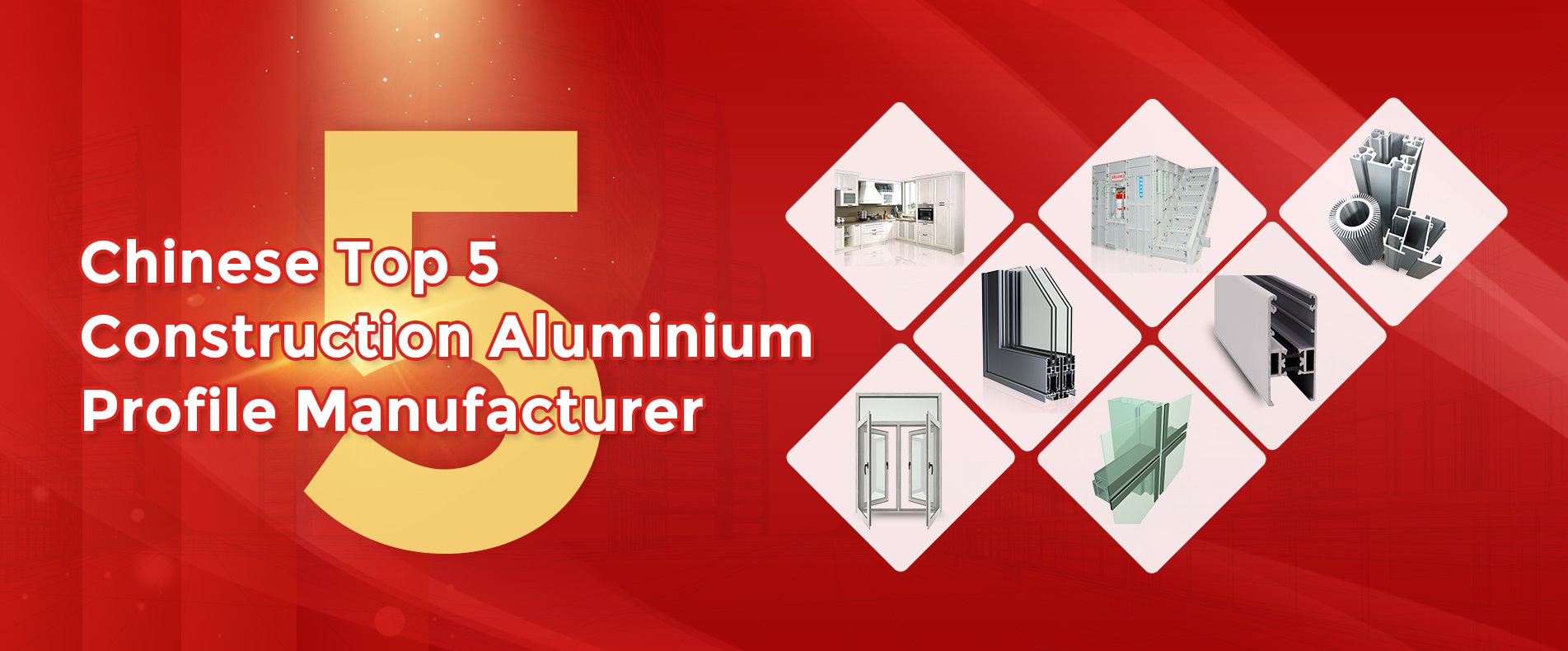
La sélection de profilés en aluminium pour votre projet nécessite une évaluation minutieuse. Choisir un mauvais fournisseur introduit de graves risques financiers et opérationnels, tels que des retards de production imprévus, des défauts importants des matériaux et des échecs d'assemblage. Vous pouvez éviter les erreurs courantes lors de l'approvisionnement en modifiant votre cadre d'évaluation. Vous devez abandonner l'évaluation des fournisseurs basée strictement sur les prix les plus bas. Concentrez plutôt votre stratégie sur le coût total de possession. Cette approche globale protège votre budget, garantit une grande intégrité structurelle et assure des calendriers de livraison fiables. Collaborer avec un fabricant de profilés en aluminium fiable garantit des tolérances techniques précises, des finitions de surface supérieures et une durabilité à long terme pour tous vos profilés en aluminium sur mesure.
Points clés à retenir
-
Évaluez le coût total de possession au lieu de choisir des fournisseurs en fonction de prix initiaux bas.
-
Collaborez avec des fournisseurs à source unique pour éliminer les retards de transport entre plusieurs fournisseurs et les litiges liés à la qualité.
-
Sélectionnez les nuances d'alliage appropriées comme 6061-T6 pour répondre à vos besoins en charge structurelle et en usinage.
-
Concevez des profilés avec une épaisseur de paroi uniforme afin de prévenir les déformations thermiques et les défauts de matériaux pendant l'extrusion.
-
Établissez des partenariats stratégiques à long terme avec les fournisseurs afin de garantir une capacité de presse dédiée et des calendriers de livraison fiables.
Évitez les erreurs courantes liées au prix initial bas
Reconnaître les coûts cachés des extrusions bon marché
De nombreux acheteurs commettent des erreurs courantes lorsqu'ils sélectionnent un fournisseur uniquement en fonction du devis le plus bas. Les fournisseurs à bas prix compromettent souvent la durabilité des produits en utilisant des alliages d'aluminium impurs, une anodisation de qualité inférieure et des parois excessivement fines. Ces pièces compromises créent rapidement de graves goulots d'étranglement dans vos opérations de production.
|
Type de défaut |
Impact opérationnel en aval |
|---|---|
|
Faible précision dimensionnelle |
Crée des erreurs d'usinage et entraîne un gaspillage de matériaux lors de l'assemblage. |
|
Torsion et gauchissement |
Provoque un mauvais alignement des profilés et entraîne des reprises lors des opérations en aval. |
|
Épaisseur de paroi non uniforme |
Réduit la résistance structurelle et augmente les taux de rebut pendant la fabrication. |
Même un faible taux de défauts de 2 à 3 % peut augmenter les coûts totaux du projet de 10 à 15 % en raison des nouvelles inspections, des retards de livraison ou des pertes de matériaux. Les erreurs d'usinage en aval éliminent rapidement les économies réalisées sur le prix unitaire initial lorsque vous achetez des profilés en aluminium sur mesure de faible qualité.
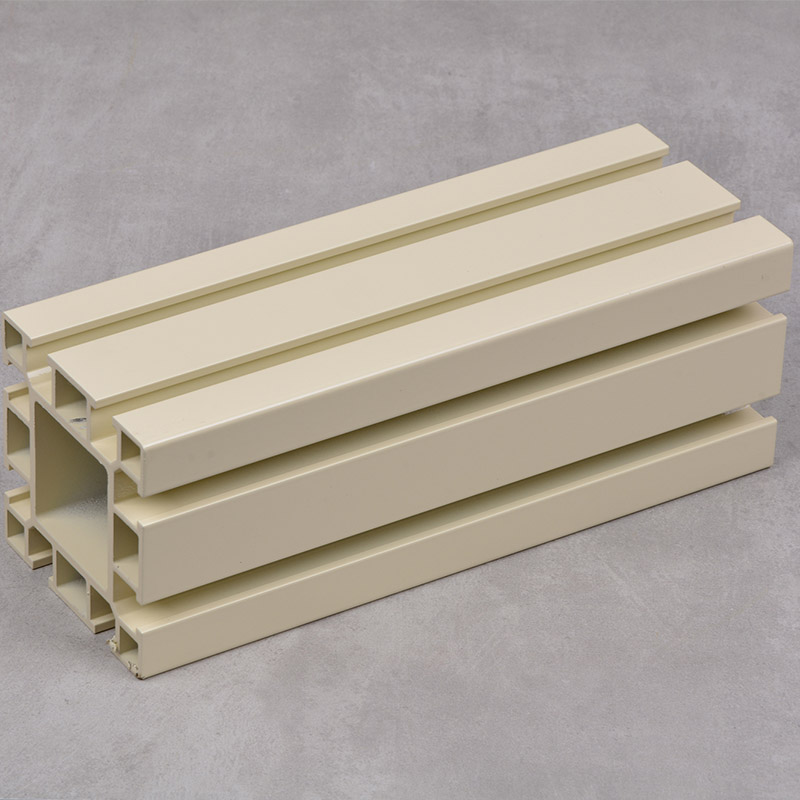
Évaluer le coût total de possession et les normes de qualité ISO
Vous devez regarder au-delà du prix d'achat initial et évaluer le coût total de possession. Un fabricant de profilés d'extrusion d'aluminium de premier plan maintient des certifications internationales strictes afin de protéger votre calendrier de production contre les défaillances imprévues.
|
Norme ISO |
Fonction principale dans la fabrication |
|---|---|
|
ISO 9001 |
Impose un système qualité documenté pour l'inspection des alliages bruts et les contrôles finaux. |
|
ISO 14001 |
Contrôle les déchets et la manipulation des produits chimiques lors des opérations de traitement de surface. |
|
ISO 45001 |
Gère la sécurité au travail afin de maintenir une production stable et conforme. |
|
ISO 50001 |
Gère l'utilisation de l'énergie de manière rentable lors des processus d'extrusion énergivores. |
Un fournisseur fiable applique des mesures de contrôle qualité rigoureuses pendant chaque phase de production. Les techniciens utilisent la spectrométrie pour confirmer les nuances exactes des alliages, des essais de traction pour vérifier la résistance mécanique et des machines de mesure tridimensionnelle pour contrôler les tolérances dimensionnelles complexes. Des traitements d'anodisation et de revêtement en poudre supérieurs protègent les profilés finis contre la corrosion, ce qui garantit une durabilité à long terme dans des applications finales exigeantes.
Sélectionner un fabricant de profilés en aluminium non intégré
Pièges de l'extrusion fragmentée et de la fabrication CNC
Répartir l'extrusion, l'usinage CNC secondaire et la finition de surface entre des fournisseurs distincts crée de graves risques opérationnels. Les multiples transferts entre fournisseurs ajoutent des étapes sans valeur ajoutée, des inspections qualité redondantes et des frais de transport supplémentaires. Transporter des profilés en aluminium sur mesure 3 à 4 fois entre différentes installations augmente les dommages aux pièces, les pertes de composants et les retards de délai de production.
|
Aspect |
Impact fragmenté de plusieurs fournisseurs |
Solution intégrée à source unique |
|---|---|---|
|
Transport et transferts |
Les profilés sont expédiés 3 à 4 fois entre les fournisseurs |
Les matériaux se déplacent en interne entre les services |
|
Délai de production |
Les frictions lors des transferts créent des retards cumulatifs |
Des calendriers coordonnés réduisent le délai de livraison de 1 à 3 semaines |
|
Coûts de précision |
Les configurations multi-fournisseurs augmentent les majorations liées aux tolérances serrées de 10–20 % à 50–100 % |
L'usinage de précision en interne maintient efficacement des tolérances serrées |
|
Responsabilité |
Les frictions liées aux litiges ralentissent la résolution des problèmes de qualité |
Une responsabilité unique résout immédiatement les problèmes |
L'atteinte de normes de tolérance serrées telles que ISO IT6 ou IT7 nécessite des équipements CNC avancés et des contrôles qualité continus. Les ateliers d'usinage séparés manquent souvent d'un outillage équivalent, ce qui augmente les majorations de coûts de précision de 10–20 % jusqu'à 50–100 %. Les chaînes d'approvisionnement fragmentées créent également des accusations mutuelles lors des litiges qualité. Cette mauvaise communication nuit à la fiabilité globale des fournisseurs et déstabilise vos calendriers de production.
Rationaliser la production avec des fournisseurs intégrés à source unique
Vous éliminez les frictions de la chaîne d'approvisionnement en collaborant avec un seul fabricant intégré de profilés en aluminium. Guang Ya Aluminium fournit l'extrusion brute, la fabrication de précision et le traitement de surface final dans une seule installation. Les flux de travail internes transfèrent directement les pièces entre les services opérationnels. Ce plan de production optimisé réduit votre délai complet de fabrication de 1 à 3 semaines.
Choisir Guang Ya Aluminium comme partenaire stratégique simplifie vos opérations administratives et renforce votre chaîne d'approvisionnement. Un seul partenaire responsable gère toutes les phases de fabrication de vos profilés en aluminium personnalisés. La responsabilité unique élimine les reproches entre plusieurs fournisseurs et réduit les dépenses administratives. Vous recevez des profilés en aluminium personnalisés entièrement finis directement dans les délais prévus, ce qui protège votre ligne d'assemblage contre les pénuries imprévues de matériaux.
Mauvaise adéquation entre le choix de l'alliage et les besoins de fabrication
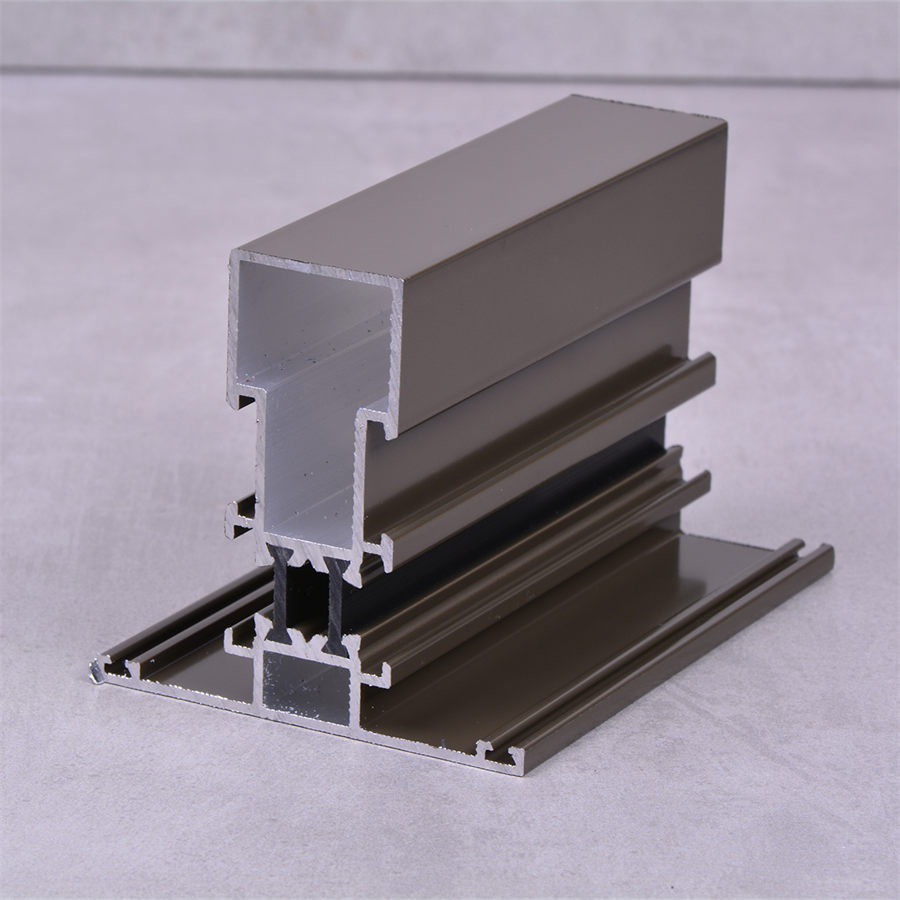
Choisir la bonne nuance d'alliage pour les exigences structurelles
Choisir une mauvaise nuance d'alliage crée une faiblesse structurelle ou des coûts de production inutiles. Lors de la sélection de profilés en aluminium pour des cadres porteurs lourds, vous devez évaluer soigneusement les propriétés mécaniques. L'alliage 6061-T6 offre environ 30 % de résistance à la limite d'élasticité en plus que le 6063-T6. Plus précisément, le 6061-T6 atteint une résistance ultime à la traction de 45 000 psi, tandis que le 6063-T6 n'atteint que 35 000 psi. Les cadres structurels lourds, les plaques de base et les supports de montage nécessitent la marge de charge supérieure du 6061-T6 pour éviter une déformation permanente.
Le choix de l'alliage affecte également les opérations d'usinage CNC secondaires sur vos profilés en aluminium personnalisés. L'alliage 6061 présente une dureté Brinell de 95 et offre une usinabilité de classe A, ce qui crée une formation stable des copeaux. À l'inverse, le 6063 présente une dureté Brinell inférieure de 73 et provoque une adhérence des outils lors du perçage rapide. Spécifier du 6063 pour des profilés en aluminium personnalisés usinés complexes entraîne une accumulation de copeaux, augmente les défauts de surface et accroît les taux de rebut des pièces.
Vérifier les capacités de finition secondaire et les capacités environnementales
Vous devez auditer les capacités de finition afin de garantir la durabilité environnementale dans des conditions d'exploitation difficiles. Les structures extérieures nécessitent un strict respect des normes de revêtement ISO 7599:2018. Une finition AA20 spécifie une épaisseur moyenne minimale de 20 μm pour les installations urbaines extérieures. Les environnements côtiers sévères exigent une finition AA25 avec une épaisseur moyenne minimale de 25 μm. Alternativement, l'anodisation dure de type III applique un revêtement de 25–150 microns qui résiste au brouillard salin pendant plus de 1 000 heures, protégeant vos profilés en aluminium personnalisés contre la corrosion atmosphérique agressive.
Votre fabricant de profilés d'extrusion en aluminium choisi doit maintenir une conformité chimique complète pendant les processus de traitement de surface. Vous devez vérifier que votre fournisseur détient la certification ISO 14001 pour la gestion environnementale. Les fournisseurs certifiés contrôlent les rejets chimiques et appliquent les réglementations relatives au chrome hexavalent sur les lignes actives de revêtement en poudre. L'audit des capacités de finition secondaire garantit que vos profilés en aluminium personnalisés respectent les normes environnementales, tandis qu'une évaluation minutieuse des fournisseurs simplifie la sélection des profilés en aluminium pour la réussite des projets et la durabilité structurelle. Collaborer avec des installations certifiées fournit des profilés en aluminium personnalisés de haute qualité directement à votre usine d'assemblage.
Spécifications de conception défectueuses pour les profilés en aluminium personnalisés
Maintenir les rapports d'épaisseur de paroi et la symétrie structurelle
Les conceptions géométriques défectueuses déclenchent de graves défauts de production pendant l'extrusion. Vous devez maintenir une épaisseur de paroi uniforme lors de la spécification de profilés en aluminium personnalisés. De grands écarts d'épaisseur de paroi créent des taux de refroidissement inégaux et des contraintes internes. Vous devez conserver des rapports d'épaisseur de paroi adjacents inférieurs ou égaux à 2:1 pour éviter le gauchissement et la déformation due au retrait. Les sections plus épaisses refroidissent plus lentement que les parois minces. Lorsque les sections épaisses rétrécissent, elles tirent sur les sections minces adjacentes. Cette action de traction déforme la géométrie des profilés en aluminium personnalisés et compromet la durabilité des pièces.
Vous devez équilibrer la masse de la section transversale pour maintenir des extrusions droites. Les sections transversales asymétriques forcent le métal à travers les ouvertures de matrice à des vitesses d'écoulement inégales. Un écoulement métallique plus rapide à travers les parois épaisses génère de fortes contraintes de torsion. Cette force inégale tire vos profilés en aluminium personnalisés d'un côté et provoque une spirale. L'ajout de nervures d'équilibrage de flux stabilise l'écoulement du métal pendant l'extrusion. Vous devez définir l'épaisseur des nervures entre 50 % et 70 % de l'épaisseur de la paroi principale. L'utilisation de rayons d'angle internes entre 0,5 et 1,0 fois l'épaisseur de paroi fluidifie l'écoulement de l'alliage. Ces choix protègent la rectitude des profilés en aluminium personnalisés et améliorent la durabilité du produit.
Concevoir des profilés en aluminium personnalisés pour la fabricabilité
Une collaboration technique précoce empêche des modifications d'outillage coûteuses. Vous devez partager les exigences structurelles avec votre fournisseur avant la découpe des matrices. Des ingénieurs expérimentés réalisent des revues de conception pour la fabricabilité afin d'identifier rapidement les risques d'extrusion. Ils affinent les jonctions complexes de parois pour garantir une fabrication à haut rendement des profilés en aluminium personnalisés. La mise en œuvre des normes de cotation et tolérancement géométrique ASME Y14.5 définit les limites fonctionnelles des profilés en aluminium personnalisés. Les règles ASME Y14.5 améliorent la communication entre les ingénieurs de conception et les opérateurs de machines. L'utilisation de symboles GD&T réduit les rebuts, minimise les reprises et garantit que les profilés en aluminium personnalisés s'adaptent précisément aux assemblages en aval.
La standardisation des tolérances réduit les coûts de production et améliore l'efficacité d'assemblage. Vous pouvez appliquer des tolérances plus larges aux dimensions non critiques des profilés en aluminium personnalisés tout en réservant des tolérances serrées aux interfaces d'assemblage. Votre fabricant applique des mesures strictes de contrôle qualité pour surveiller les dimensions critiques tout au long de la production. Des inspections en ligne à plusieurs étapes détectent les dérives dimensionnelles avant l'expédition des profilés en aluminium personnalisés vers votre installation. Un retour d'information technique précoce optimise chaque commande de profilés en aluminium personnalisés. La sélection d'une spécification optimisée de profilé en aluminium protège votre calendrier de production et garantit des performances constantes.
Négliger la résilience de la chaîne d'approvisionnement et les indicateurs clés de délai
Auditer la capacité de production et les stocks tampons de matières premières
Vous protégez votre calendrier de fabrication en suivant des indicateurs clés de performance spécifiques. Se fier aux estimations des fournisseurs entraîne souvent des arrêts imprévus de la ligne d'assemblage. En fait, 39 % des petits fabricants signalent que les retards de matières premières constituent une cause majeure des retards de production en aval. Vous devez auditer les indicateurs clés pour mesurer les délais réels de livraison et vérifier la fiabilité des fournisseurs.
|
Indicateur clé de performance |
Pertinence opérationnelle |
|---|---|
|
Délai de production |
Mesure le temps total entre la passation de commande et la livraison finale. |
|
Livraison à temps |
Suit le pourcentage des expéditions arrivant à la date convenue ou avant celle-ci. |
|
Écart du délai d'approvisionnement |
Mesure la régularité des livraisons afin d'éviter un stock de sécurité excessif. |
|
Disponibilité du fournisseur |
Indique la disponibilité des stocks ; des taux de 90 % ou plus confirment des chaînes d'approvisionnement efficaces. |
Vous devez évaluer la manière dont les fournisseurs gèrent leur inventaire de métal brut. L'achat de profilés en aluminium sur mesure dans le cadre de contrats juste-à-temps stricts sans réserves locales de matériaux augmente votre exposition aux perturbations mondiales de l'approvisionnement. Les fabricants responsables maintiennent un stock de sécurité dédié de billettes d'aluminium afin de protéger votre projet contre les pénuries soudaines du marché. Le partage de prévisions de demande à long terme crée une réserve d'approvisionnement stable, permettant à vos lignes d'extrusion de fonctionner sans interruption.
Transition vers des partenariats fournisseurs stratégiques
Les bons de commande transactionnels exposent vos opérations à de graves risques de capacité pendant les périodes de forte demande du marché. Les acheteurs ponctuels font face à des refus soudains de commandes lorsque la capacité des laminoirs se remplit de manière inattendue. Vous évitez ces perturbations de livraison en établissant des relations stratégiques à long terme avec votre principal partenaire d'extrusion d'aluminium. Les partenariats stratégiques permettent aux fabricants de réserver du temps dédié à la préparation des matrices et de la capacité de presse pour vos profilés en aluminium sur mesure tout au long de l'année.
Une collaboration étroite avec les fournisseurs améliore la planification des capacités et réduit les délais totaux de livraison. Un partenaire engagé aligne l'approvisionnement en matières premières directement sur votre calendrier de production à long terme. Vous bénéficiez d'un accès prioritaire aux créneaux de production actifs pour les commandes urgentes de profilés en aluminium sur mesure. Les accords à long terme éliminent les négociations contractuelles répétitives, garantissant des coûts prévisibles pour les profilés en aluminium sur mesure. L'alignement stratégique transforme votre chaîne d'approvisionnement en un atout fiable, assurant un flux constant de profilés en aluminium sur mesure de haute qualité pour chaque objectif de production.
Vous évitez les erreurs courantes lors de la sélection de profilés en aluminium en évaluant le coût total de possession plutôt que le prix initial. La conception soignée de profilés en aluminium sur mesure améliore les rendements de fabrication. Parallèlement, l'audit du fabricant de profilés en aluminium choisi garantit une grande fiabilité du fournisseur dans toutes les opérations.
|
Étape d'audit |
Objectif de l'audit |
|---|---|
|
Qualité |
Vérifier les normes ISO 9001 et la traçabilité des billettes pour les profilés en aluminium sur mesure. |
|
Capacités |
Auditer l'usinage CNC interne pour les profilés en aluminium sur mesure. |
S'associer à des fournisseurs à source unique comme Guang Ya Aluminium simplifie votre chaîne d'approvisionnement pour les profilés en aluminium sur mesure. Guang Ya Aluminium fournit des composants de précision et protège chaque projet de profilés en aluminium sur mesure. Garantir une production de premier ordre assure un succès à long terme pour votre commande de profilés en aluminium.
FAQ
Comment choisir le bon alliage pour des exigences de charge élevée ?
Vous devez d'abord évaluer vos exigences de charge structurelle lors de la commande de profilés en aluminium sur mesure. Choisissez le 6061-T6 pour les applications de structures à haute résistance. Sélectionnez le 6063 pour les formes géométriques complexes et les finitions de surface lisses. Une sélection correcte de l'alliage évite les défaillances des matériaux et optimise les rendements de fabrication pour vos profilés en aluminium sur mesure.
Pourquoi devriez-vous sélectionner un fabricant intégré de profilés en aluminium ?
Un fabricant de profilés en aluminium intégré gère l'extrusion, l'usinage CNC et la finition de surface sous un même toit. La production à source unique élimine les coûts de transport supplémentaires et réduit les dommages liés à la manutention. Ce flux de travail unifié évite les litiges entre fournisseurs, réduit les délais et garantit un contrôle qualité précis à toutes les phases de production.
Comment éviter la déformation des profilés extrudés ?
Vous évitez la déformation en maintenant une épaisseur de paroi uniforme dans votre conception. Maintenez les rapports d'épaisseur entre parois adjacentes en dessous de 2:1. Les sections transversales symétriques équilibrent l'écoulement du métal à travers la matrice. Ces choix de conception protègent les profilés en aluminium sur mesure contre la torsion et préservent des tolérances serrées pendant le refroidissement.
Quelles normes garantissent un ajustement correct des composants ?
L'application des normes ASME Y14.5 de cotation et de tolérancement géométrique établit des limites claires pour vos composants. Vous devez attribuer des tolérances serrées uniquement aux interfaces d'assemblage critiques. Des spécifications d'ingénierie claires éliminent les erreurs d'assemblage et réduisent les coûts totaux de production pour les profilés en aluminium sur mesure.
Comment la finition de surface protège-t-elle les composants finis ?
Des traitements spécialisés d'anodisation et de revêtement en poudre créent des barrières chimiques protectrices contre la corrosion atmosphérique. La sélection d'une finition AA25 ou d'une anodisation dure garantit une résistance environnementale à long terme. Des traitements de surface de qualité empêchent la dégradation de la surface et prolongent la durée de vie opérationnelle des profilés en aluminium sur mesure dans des applications exigeantes.
 Réseau IPv6 pris en charge